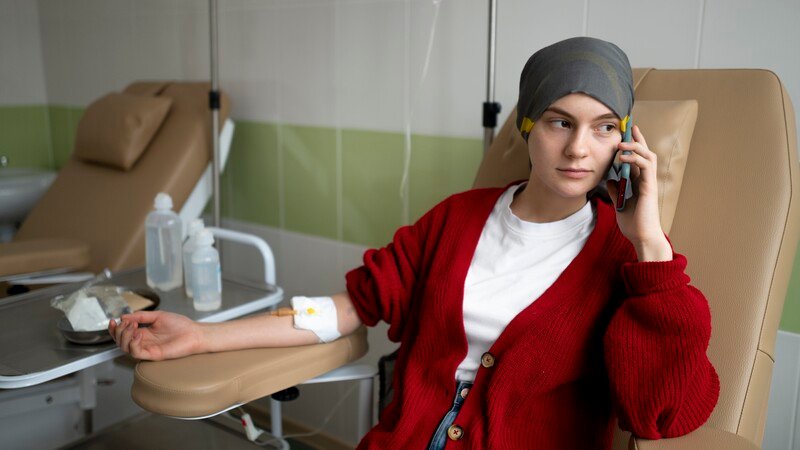
Cancer treatment demands careful attention to every aspect of a patient’s health, including complications that may seem unrelated to oncology at first glance. Abdominal wall hernias represent one such challenge, occurring in a significant portion of cancer patients due to surgical interventions, radiation therapy, and treatments that affect tissue strength. For patients undergoing abdominal surgery for tumour removal or experiencing weakened tissue from chemotherapy, the risk of developing hernias increases substantially, making awareness and early intervention essential components of comprehensive cancer care.
The Connection Between Cancer Surgery and Abdominal Wall Weakness
Surgical removal of abdominal tumours often requires large incisions through the abdominal wall, disrupting the natural layering of muscle and fascia that keeps internal organs in place. Procedures for colorectal cancer, gastric cancer, ovarian cancer, and sarcomas frequently leave patients with incisional hernias, where tissue protrudes through the weakened surgical site. The rate of hernia formation after major abdominal cancer surgery ranges between 10 and 30 percent, with higher rates observed in patients who receive post-operative radiation or have complications such as wound infections.
Beyond the immediate surgical site, cancer patients face additional risk factors that compound abdominal wall vulnerability. Malnutrition, common during intensive treatment, impairs wound healing and collagen production. Chemotherapy agents can delay tissue repair and reduce the tensile strength of healing incisions. Radiation therapy, while targeting cancer cells, also damages healthy tissue in the treatment field, creating areas of permanent weakness that may develop hernias months or years after treatment concludes.
Recognising Symptoms That Require Medical Attention
Cancer patients and survivors should monitor for signs of abdominal wall hernias, particularly if they have undergone abdominal surgery. A visible bulge that appears when standing, coughing, or straining represents the most obvious indicator. The bulge may disappear when lying down or can be gently pushed back into place in early stages. Discomfort or aching at the hernia site, especially during physical activity, signals that the condition requires evaluation.
More urgent symptoms demand immediate medical care. Sudden severe pain, a bulge that becomes firm and cannot be reduced, nausea, vomiting, or inability to pass gas may indicate strangulation, where intestinal tissue becomes trapped and loses blood supply. This surgical emergency requires intervention within hours to prevent tissue death. Cancer patients should not dismiss abdominal symptoms as routine side effects of treatment when hernias may be developing.
When Treatment Timing Matters
The decision to repair a hernia during active cancer treatment involves weighing multiple factors. Small, asymptomatic hernias may be monitored if a patient is undergoing chemotherapy cycles, allowing repair to occur during a treatment break when healing conditions improve. Large or symptomatic hernias that interfere with daily function or cause pain typically warrant earlier intervention, as the quality of life impact outweighs the timing considerations.
Patients experiencing bowel obstruction symptoms or signs of strangulation require emergency repair regardless of their cancer treatment schedule. For those approaching the end of intensive treatment, coordinating hernia repair with the oncology team ensures optimal timing when blood counts have recovered and nutritional status has improved, creating the best conditions for surgical healing.
Surgical Options and Recovery Considerations
Modern hernia repair techniques offer cancer patients several approaches tailored to their specific situation. Open repair remains the standard for large or complex hernias, particularly those involving radiated tissue or multiple previous surgeries. The surgeon reinforces the abdominal wall with mesh material, which provides long-term support and reduces recurrence rates. In cancer patients with compromised tissue quality, mesh placement becomes especially important for durable repair.
For carefully selected patients and institutions with expertise in specialised surgical care, Hernia surgery Dubai centres offer comprehensive approaches that address the unique needs of oncology patients, including coordination with cancer treatment schedules and attention to factors like radiation history that affect surgical planning. These considerations prove particularly relevant for international patients seeking centres with integrated cancer and surgical expertise.
Laparoscopic repair, using small incisions and a camera, offers faster recovery for smaller hernias in patients without extensive scarring or prior radiation. However, not all cancer patients qualify for minimally invasive approaches. Previous abdominal surgeries create adhesions that complicate laparoscopic visualisation, and radiation damage may require more extensive tissue work best accomplished through open techniques.
Optimising Healing in Immunocompromised Patients
Cancer patients face distinct healing challenges after hernia repair. Active chemotherapy suppresses immune function, increasing infection risk and slowing wound closure. Surgical teams often coordinate hernia repair timing to fall within treatment gaps when white blood cell counts have recovered. Pre-operative nutritional optimisation with protein supplementation and, when necessary, vitamin correction addresses the malnutrition that impairs surgical outcomes in cancer populations.
Post-operative management requires modified activity restrictions. While typical hernia patients resume normal activities within weeks, those undergoing concurrent cancer treatment may need extended recovery periods. Maintaining wellness practices that support overall health becomes crucial during this time, and strategies for building sustainable health habits can help patients navigate the dual recovery from hernia surgery and ongoing cancer care.
Managing Complications Specific to Oncology Patients
Radiation’s long-term effects on abdominal tissue create unique surgical challenges. Radiated tissue heals poorly, with reduced blood supply and increased stiffness. Hernias developing in previously radiated areas show higher recurrence rates and complication risks. Surgeons may employ tissue rearrangement techniques, bringing healthy, non-radiated tissue to support the repair, or use biological mesh materials that incorporate better into compromised tissue.
Patients with ongoing cancer in the abdomen face additional complexity. Surgical repair must account for potential future procedures, with mesh placement planned to avoid interference with subsequent cancer operations. In some cases, temporary management with supportive binders postpones definitive repair until cancer treatment achieves better control or reaches completion.
Prevention Strategies for At-Risk Cancer Patients
While not all hernias can be prevented, cancer patients can take specific steps to reduce risk. Maintaining healthy weight reduces intra-abdominal pressure that stresses healing incisions. Avoiding heavy lifting during the critical first three months after abdominal cancer surgery allows fascial layers to achieve adequate strength. Controlling factors that increase abdominal pressure, such as chronic cough or constipation, protects vulnerable areas.
For patients with soft tissue cancers affecting the abdominal wall itself, understanding treatment options becomes part of preventing long-term complications. Approaches to managing sarcomas and bone-related tumours may involve reconstruction techniques that reinforce the abdominal wall during tumour removal, preventing hernias before they develop.
Smoking cessation stands among the most impactful preventive measures. Tobacco use impairs wound healing at the cellular level, doubles hernia recurrence risk, and compounds the healing challenges cancer patients already face. Oncology teams routinely incorporate smoking cessation support into comprehensive care plans, recognising its broad benefits across cancer treatment and surgical recovery.
Long-Term Outlook and Survivorship Considerations
Cancer survivors remain at elevated hernia risk for years after treatment concludes. The permanent tissue changes from radiation, the metabolic effects of certain chemotherapy agents, and the structural disruption from surgery create lasting vulnerability. Survivorship care plans should include education about hernia symptoms and guidance on activity modifications that protect the abdominal wall during routine life.
For many survivors, successful hernia repair represents an important step toward reclaiming physical function and quality of life after cancer treatment. Modern repair techniques offer excellent long-term durability, with properly reinforced repairs maintaining integrity for decades. Survivors can typically return to full activity, including exercise and lifting, once healing completes, though individual recommendations vary based on repair complexity and tissue quality.
The integration of hernia management into comprehensive cancer care reflects the broader understanding that oncology extends beyond treating the primary disease. Addressing the surgical and structural consequences of cancer treatment ensures patients achieve the best possible functional outcomes, supporting their return to active, fulfilling lives after cancer.