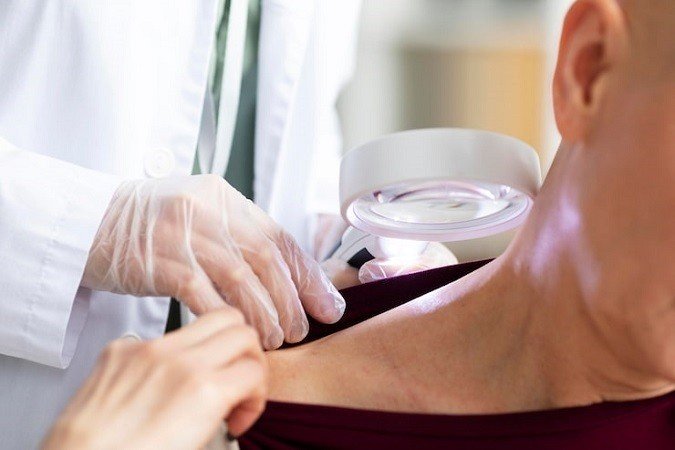
Walk through almost any Australian CBD today and health services appear in places that once held only offices and cafes. Medical suites now share buildings with gyms, coworking spaces and food courts. Searching for a skin cancer clinic Brisbane city workers can reach on foot returns far more options than it did a decade ago, and that growth reflects several changes happening at once. Each one helps explain why skin health has moved closer to the heart of town.
A Changing Inner-City Population
Brisbane’s centre is no longer just a nine-to-five destination. Apartment towers have brought thousands of residents into neighbourhoods that were once mostly commercial.
People living in these areas expect services within walking distance, much as they expect a supermarket or pharmacy nearby. Health care providers have followed that demand, setting up where people already sleep, work and shop.
Rising Awareness Creates Steady Demand
Public messaging about sun safety has been part of Australian life for generations. Over time, that message has shifted from simply avoiding sunburn to keeping an eye on the skin itself.
As more adults treat skin checks as routine, clinics need to be where patients can attend regularly. A steady flow of appointments makes central locations practical for providers, which in turn makes access easier for everyone.
How Clinics Have Adapted Their Model
Focused Services
Many newer clinics concentrate on skin health rather than offering a broad range of general services. That focus allows them to operate efficiently in smaller city spaces, often within existing office or retail buildings.
Simpler Booking
Online booking has removed another barrier. Being able to choose a time from a phone during a coffee break makes it far more likely that an appointment actually gets made.
The Role of Workplace Culture
Employers have become more open to staff stepping out for health appointments. Flexible hours and hybrid arrangements mean a short visit during the day no longer requires a formal request or a lost afternoon.
Some workplaces also run health awareness programs that mention sun exposure, which keeps the topic front of mind for employees who might otherwise put it off.
Transport and Urban Planning
City planners have encouraged mixed-use developments that combine housing, retail and services in the same precinct. Medical tenants fit naturally into these spaces.
Combined with strong public transport links into the centre, this makes city clinics reachable for people coming from the suburbs as well as those living nearby. A single trip can cover work, errands and an appointment.
What This Means for Patients
More choice gives people greater flexibility in when and where they are seen. It also makes continuity easier, since returning to the same clinic for regular checks is simpler when it sits along a familiar route.
Even so, convenience is only part of the picture. Skin type, family history and lifestyle all influence how often someone might attend, and a doctor is best placed to help set that schedule.
A Trend Shaped by How Cities Live
The spread of skin clinics through urban areas mirrors broader changes in how people live and work. Health care is following residents and workers into the centre rather than waiting for them to travel out. For a sunny city like Brisbane, that shift has made looking after the skin feel like part of ordinary urban life.